What Producers Need to Know About Venue Labor in NYC
NYC venue labor rules drive a meaningful share of every production budget. Knowing the call structure before you sign the venue contract saves five-figure overage line items.
The basics — venue labor is venue-driven
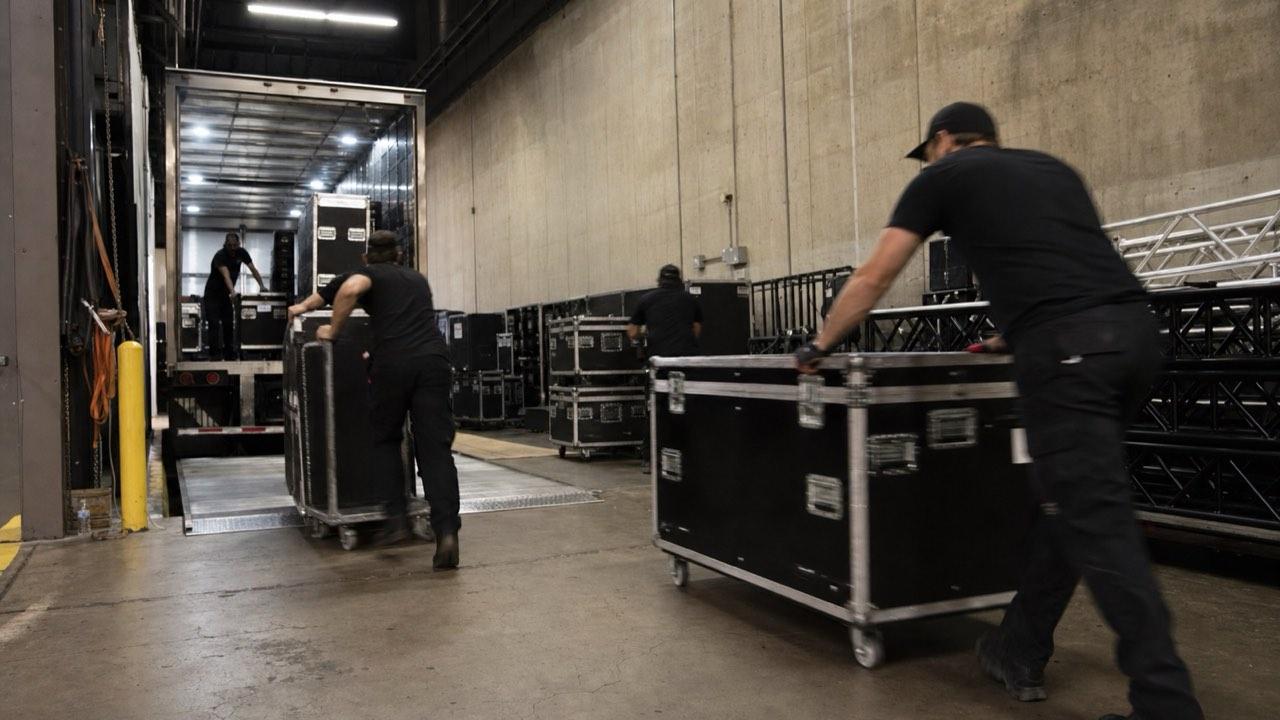
The single biggest budget surprise on a first NYC production is how much of the labor decision the producer does not control. Most major Manhattan, Brooklyn, and Queens venues require their own house labor or a specific roster of credentialed crews. The venue contract spells out which calls are mandatory, what the minimum crew size is, and which positions cannot be substituted.
Before you negotiate equipment, scope, or run-of-show, read the labor exhibit on the venue contract. That document drives 30 to 50 percent of your production line.
How the workday is structured
The single most important concept is the call — a guaranteed minimum number of paid hours for a worker, regardless of how long the actual work takes.
- 4-hour minimum is the most common starting call across Northeast venues
- 5-hour and 8-hour calls exist for specific venues and specific positions
- If you bring a stagehand in for a 90-minute LED panel patch, you are still paying for the full minimum call
After the minimum, hours bill in continuous time until overtime kicks in. There is no benefit to sending workers home early once they have started.
Overtime and turn rates
Overtime starts at different points depending on the venue agreement — typically after 8 hours, after 10 hours, or at specific clock times such as after 6 PM or after midnight. Rates step up:
- 1.5x for standard overtime
- 2x for double time after a second threshold
- 2.5x for premium time on Sundays, holidays, or extended days
Turn time is the hours-off requirement between calls. If a crew worked until 2 AM the night before, the next call typically cannot start before 10 AM without paying a turn penalty, often 1.5x or 2x for the entire next call.
Most overage stories trace back to turn time. A 14-hour load-in day followed by a 6 AM show call the next morning is one of the most expensive mistakes producers make.
Department heads and stewards
Most full-production calls require a department head for each discipline — head carpenter, head electrician, head sound, head video. These positions bill at a premium and often have their own 8-hour minimum.
Larger shows also require a steward, an on-site lead who represents the labor group and is not part of the working crew count. The steward bills the same hours as the longest call on the show.
If the steward is billed and you forgot to put them in your budget, that is typically $1,500 to $4,000 on a multi-day production.
Where producers most commonly overspend
- Underestimating call minimums. Eight workers for a 90-minute patch is eight 4-hour calls, not 12 paid hours.
- Missing turn time. Stacking back-to-back long days triggers penalty rates on the second day.
- Forgetting the steward line. Required on most multi-department calls, but not always written into the venue quote.
- Last-minute changes after the call sheet locks. Adding a sound engineer the morning of typically requires a new call with a new minimum.
- Strike running long. Overnight strike doubles overtime on every worker still on the clock.
What to budget at the brief stage
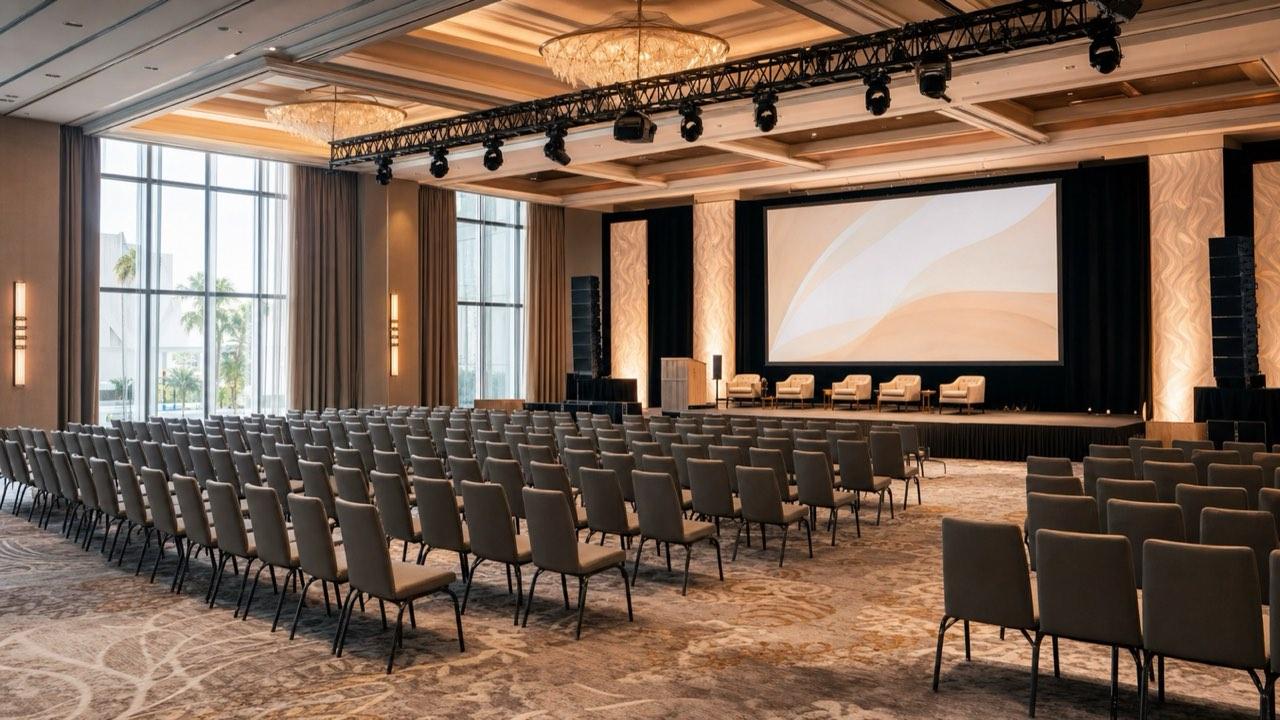
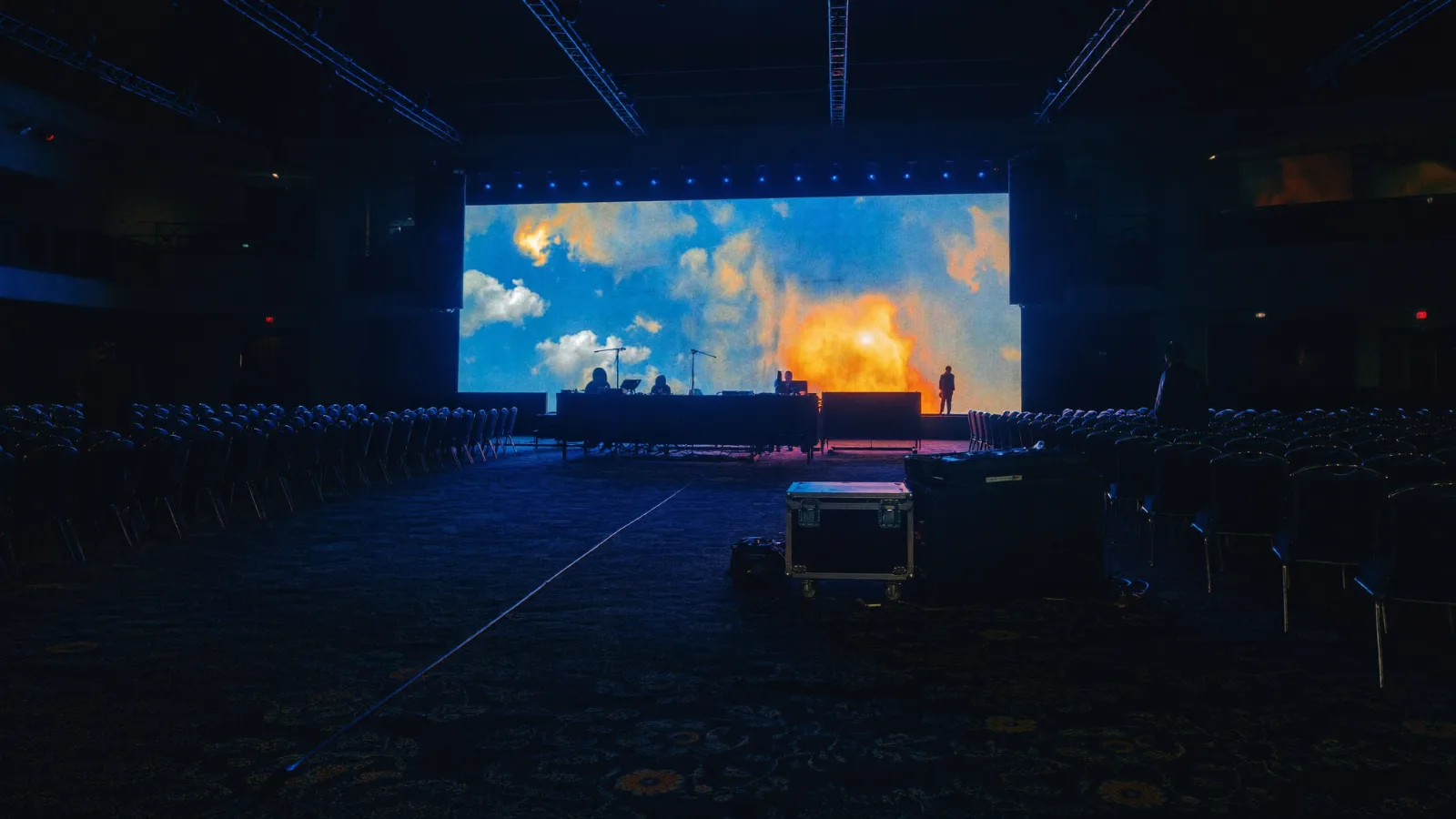
For a typical midtown NYC ballroom corporate event with a stage, LED wall, basic lighting, and audio:
- A 3-person stagehand call for an 8-hour show day in a credentialed Manhattan venue typically runs 1.7x to 2.1x what the same call costs in an open-labor venue in outer-borough Brooklyn or New Jersey
- Add 15 to 25 percent on top of that for load-in and load-out days, since those days often hit overtime
- Add a steward line item if the show has more than two departments working simultaneously
- Build a 10 percent labor contingency for run-of-show changes — almost every show needs one
We carry pre-negotiated rates with the venue labor coordinators we work with most often and include all of this in the initial quote so the producer is not surprised at invoice time.
What we put in writing on every NYC quote
For every NYC production we quote, the proposal spells out:
- Which venue labor rules apply and at which property
- Estimated calls per day, broken out by department
- Steward inclusion (or written exclusion if the venue does not require one)
- Expected overtime windows based on the run-of-show
- Turn time assumptions between days
- COIs available on request — fully insured on every call
If a number in our proposal looks higher than a same-equipment estimate from a smaller market, this is usually the reason. We would rather explain the math upfront than process change orders later. Our crews are credentialed riggers and technicians who carry the cards every major NYC venue requires.
Get an honest labor number before you sign the venue contract
The single most useful thing a producer can do is get the venue contract reviewed for labor exposure before signing. We will read it, model the labor line by day, and send back a written estimate within 24 hours.
Send the venue contract along with your brief to hello@eventprosource.com — it tells us which rules apply and lets us cost it correctly the first time.