How Far in Advance to Book AV for a NYC Conference
A week-by-week decision calendar from load-in for conference AV in the Northeast, the items that go stale first, NYC street permit deadlines and a brief checklist.
You have a date, a venue or a short list, and no AV partner yet. The standard advice on how far in advance to book AV is "as early as you can," which does not tell you what to decide this week. As of 2026-11-27, a March 1, 2027 conference is about 13 weeks out and a June 1, 2027 conference is about 26 weeks out (date arithmetic, ours).
Below: the decision calendar, the items that run on their own clocks, the city's permit deadlines and a brief checklist. It is written for planners and producers booking AV equipment rental in New York, New Jersey, Connecticut and Massachusetts. Planning assumptions as of November 2026.
How far in advance to book AV for a conference
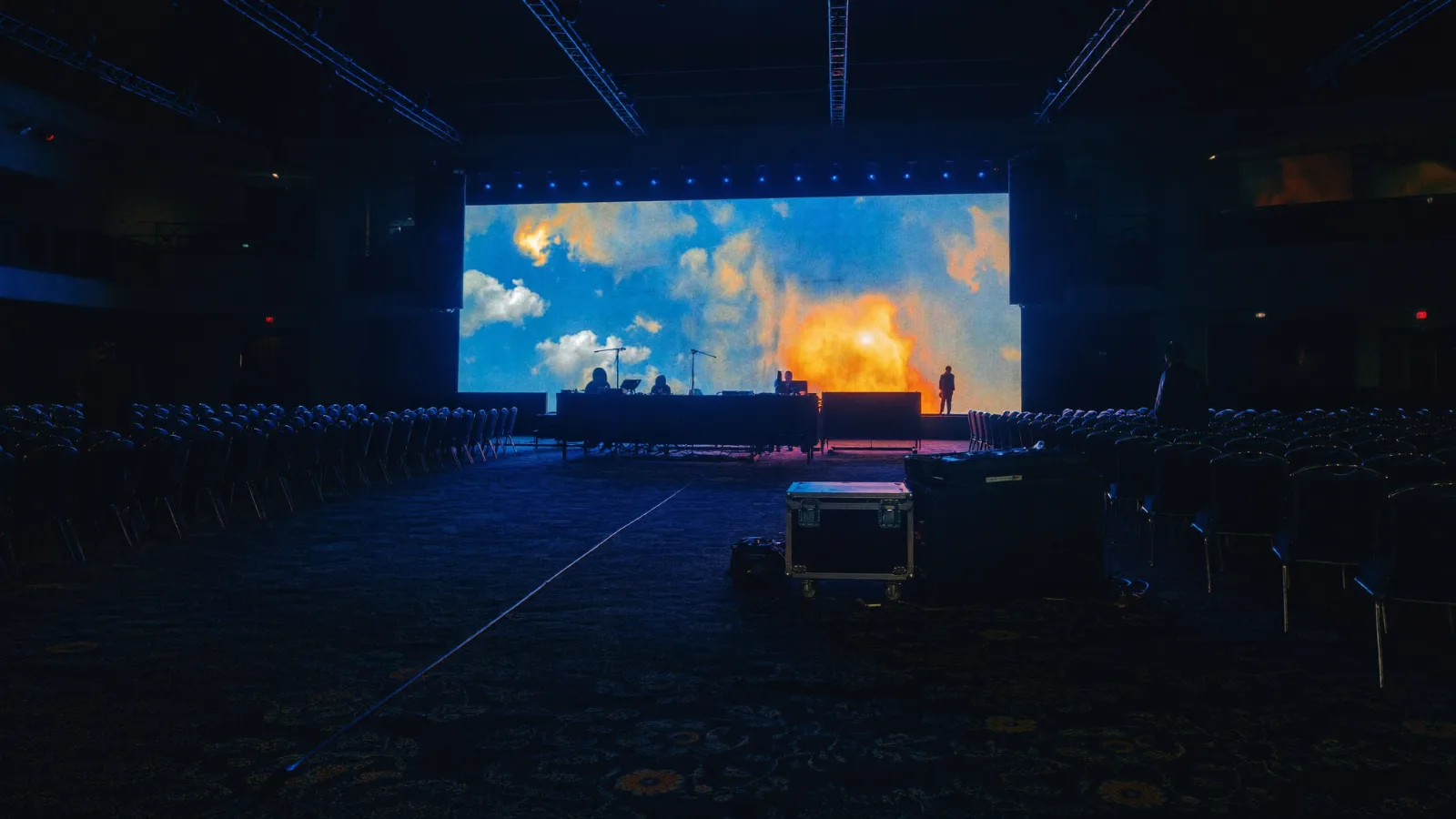
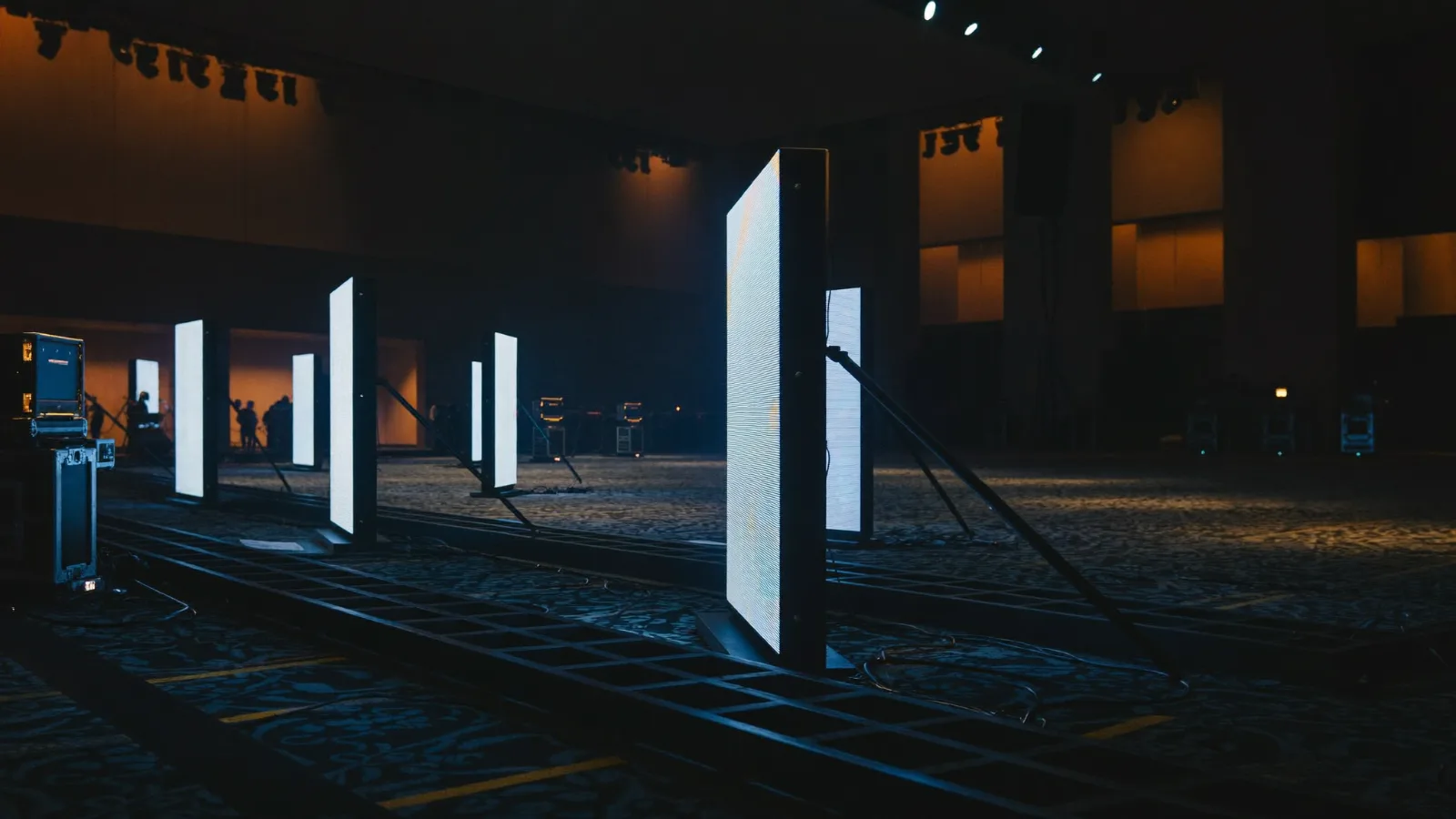
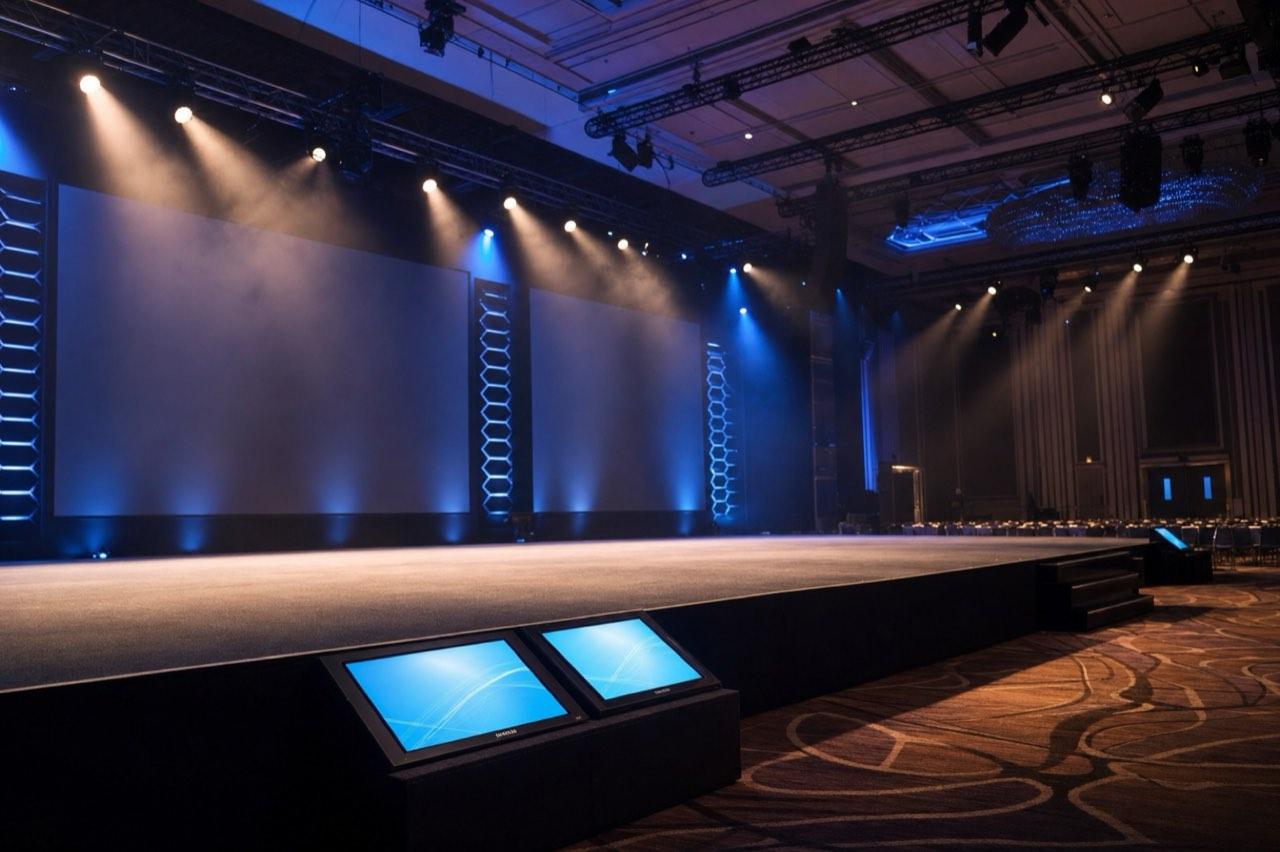
Plan to send a production brief 8 to 12 weeks before load-in for a conference with a general session. That is our planning assumption, not a promise of availability. A smaller single-room meeting can start later. But venue labor rules, freight elevator and rigging approvals, wireless coordination and content specs each run on an earlier clock than the equipment itself.
Four things move the number:
- Size. One room with a screen and a few microphones is a different job from a main ballroom plus breakouts.
- Program. A general session with an LED wall, stage, lighting and a stream has more decisions, and more of them depend on each other.
- Season. The first half of the year is busy for conferences and galas in the Northeast, so decisions made in November and December set the options for it. That is our read, not a published figure.
- Venue. House AV rules, mandatory labor calls, dock access and rigging policy vary by building and are not negotiable on your timeline.
A late date is still quotable. Availability of crews and gear for a specific date is confirmed in the quote, not before. Every week count in this post is our planning assumption for a conference with a general session, LED and streaming. It is not a service level.
A back-schedule from load-in
Work backward from the day the crew arrives. This table lists the decisions in the order they usually come due, and what you need in hand at each step.
| Weeks before load-in (our planning assumption) | Decision | What to have in hand |
|---|---|---|
| 12 or more | Venue signed; AV scope sketched | The venue's rules on outside AV, labor, dock and rigging; rough attendance; number of rooms |
| 10 to 12 | Scope locked; production brief goes out | Main room look (LED wall or projection), breakouts, stage, lighting, streaming and recording yes or no; the brief checklist at the end of this post; a named decision-maker |
| 8 to 10 | Brief goes out at the latest; first itemized quote back within 24 hours of brief; quote revised against the venue's answers | The venue's written answers on labor, dock and rigging |
| 6 to 8 | Partner confirmed in writing; crew and gear sourced for the metro; site survey | Signed scope, venue contact, dock and elevator windows requested |
| 4 to 6 | Floor plan, rigging plot and power plan drafted; wireless channel count set; content specs issued | Plot sent to the venue for approval; certificate of insurance requests sent; aspect ratio and pixel canvas to the creative team |
| 2 to 4 | Run of show draft; streaming platform and viewer tracks set; revision cadence agreed | Session and speaker list; content freeze times; street permits filed if any |
| 1 to 2 | Final counts and names; rehearsal blocks booked | Mic count, lower-third names, final schedule, load-in manifest |
| Load-in, usually the day before the event | Crew arrives and builds | Venue contact on site; dock booked |
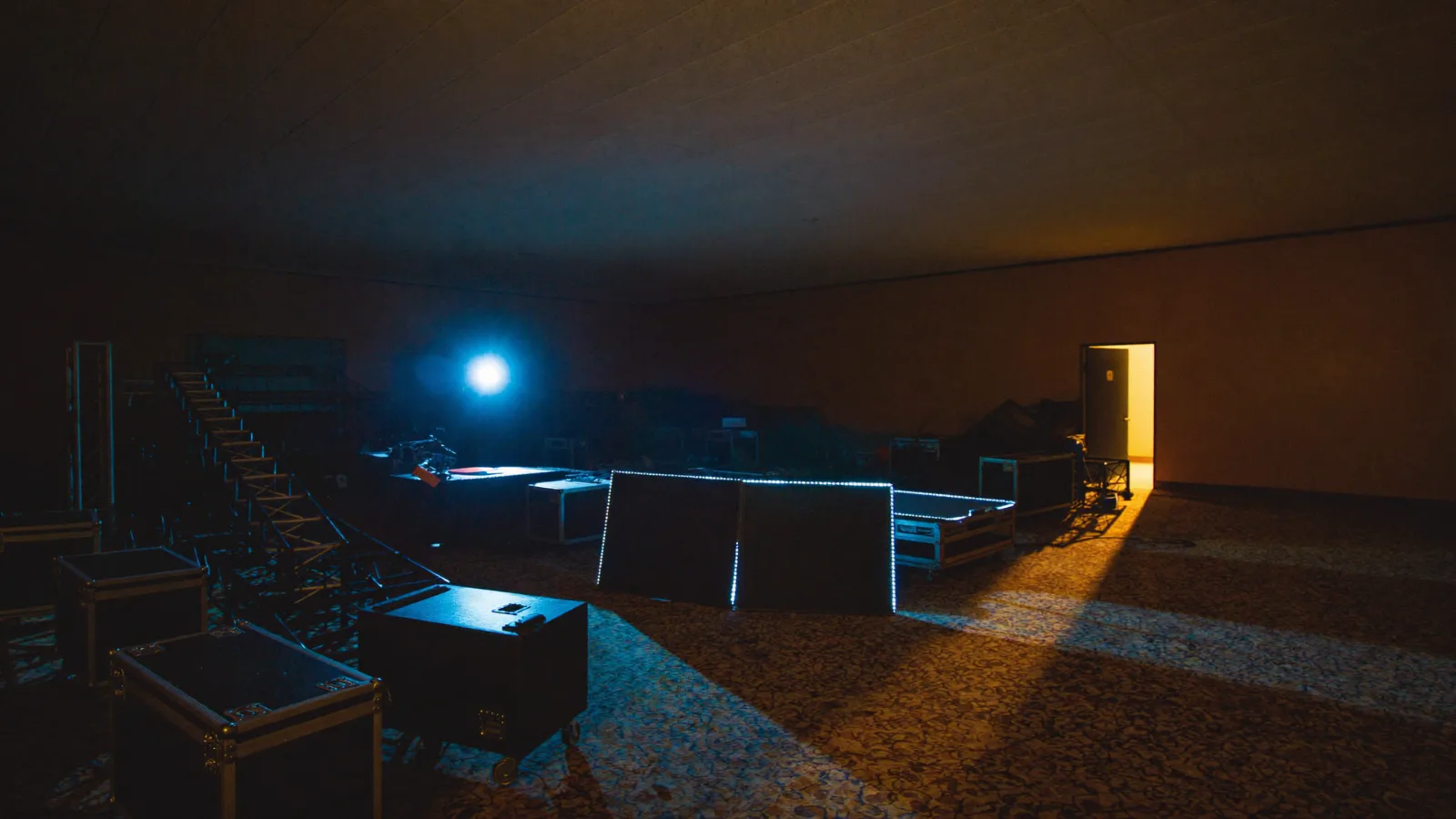
For a 500-person conference, load-in is usually a half day to a full day, depending on stage and LED scope, and keynote-driven shows often add rehearsal days (EventProSource corporate conferences page, read 2026-11-27). Crew, trucking and rehearsal time are separate lines in a quote.
None of these rows is a minimum or a deadline we impose. Smaller meetings compress the same sequence. Multi-room events and busy spring dates stretch it. For the bigger picture of what a full proposal should cover, see comparing conference production proposals.
What goes stale first when you wait
Waiting does not slow everything equally. Some items have their own clocks, set by the venue, the city or the physics of radio and video.
| Item | Why it has its own clock | What to ask |
|---|---|---|
| Venue labor and call rules | Labor calls and turn time between days can change the load-in window; the venue's written rules decide | Which labor categories are mandatory, and the earliest and latest call times |
| Freight elevator and dock | Shared docks and elevator hours are booked by the venue, often alongside other events in the building | The earliest load-in slot and the elevator rules |
| Rigging points and approvals | The venue signs off on a rigging plot; a point that moves on site costs hours | Where points exist, their ratings, and who approves the plot |
| Wireless microphones | Frequencies are coordinated for the venue and the date, which needs lead time (see our wireless post) | Channel count and the gear model family, so frequencies can be planned |
| LED content | The wall's pixel canvas and aspect ratio decide how every slide and video is built | Canvas size and aspect ratio, sent to the creative team early |
| Streaming | Platform, viewer tracks, internet path and recording deliverables are decisions made before the stream day | Who owns the platform account, how many tracks, what gets recorded |
| Quote revisions | Changes late in the process stack up unless there is a rhythm | A revision cadence agreed before the first quote goes out |
The venue labor calls are explained in venue labor in NYC. The radio side is covered in wireless mic frequency coordination, and the content side in LED wall content specs. On revisions, a quote revision cadence is worth settling early, so you agree a rhythm before the first quote goes out.
We plan on fewer crew and gear options the longer a booking waits. That is a planning view, not a statement about any particular date. We source vetted local crews and gear in each metro and match them to the room, so the options that matter are the ones that fit your venue, and those narrow first.
City permit deadlines if any part of the event is outdoors in New York City
This section applies only when part of the event sits on a street, sidewalk or pedestrian plaza. Ballroom AV is governed by the venue's rules and insurance requirements instead, so confirm those with the venue.
New York City's Citywide Event Coordination and Management office (CECM) publishes application deadlines by event type (nyc.gov/site/cecm, Permit Deadlines, read 2026-11-27):
| Event type | Application deadline |
|---|---|
| Street event, small | 14 days |
| Street event, medium | 30 days |
| Street event, large | 45 days |
| Extra large event | Up to 60 days |
| Plaza event, level D | 14 days |
| Plaza event, level C | 30 days |
| Plaza event, level B | 30 days (45 if multiple plaza blocks) |
| Plaza event, level A | 45 days (60 if multiple plaza blocks) |
| Press conference, rally or stationary demonstration | 10 days |
| Production event | 10 days |
These are application deadlines, not approval times. CECM's Permit Process page (read 2026-11-27) says permits other than street events are issued about two weeks before the event date, and that a street activity permit needs its support permits and insurance first. Check the CECM page for the current table before you commit to a date, and read NYC event permits for how the process runs in practice.
We have no sourced deadlines for New Jersey, Connecticut or Massachusetts to publish here. Ask the venue and the municipality early.
How much runway different events need
The same back-schedule applies to every event. What changes is how much of it can be squeezed.
| Event | What compresses | What stays fixed |
|---|---|---|
| Single room, one screen, a few microphones | Scope, quote and crew confirmation can move quickly | Venue approvals and the content deadline |
| Main ballroom with LED wall rental, audio and stage rental | Floor plan and plot drafting | Rigging approval, dock and elevator slots, content specs for the wall |
| Multi-room conference with breakouts and a stream | Little; every added room adds a feed, a crew position and a venue question | Wireless count, platform and viewer tracks, recording deliverables |
| Gala with performers and a run of show | Gear selection | Performer technical riders, rehearsal blocks, lighting plot |
Most conferences have a main ballroom plus four to twelve breakout rooms (EventProSource AV equipment rental page, read 2026-11-27). Each breakout multiplies the audio, screen and crew decisions, which is why multi-room events stretch the schedule the most. For a streamed program, the platform and track decisions sit alongside the room design; see our hybrid event production stack and live streaming services.
If you are already inside the window
Plenty of events get booked closer than the table suggests. The sequence still works. Do these in order:
- Send what you have now. An incomplete brief that arrives today beats a complete one that arrives next week.
- Ask for the itemized quote and for the assumptions it makes about your date.
- Simplify where the schedule is tight: one wall instead of two, fewer wireless channels, a hardwired lectern, fewer custom builds.
- Start venue approvals in parallel with the quote, not after it.
- Book rehearsal time before you finalize the run of show, so the show is built around it.
We do not promise rush turnarounds. Availability for your date is confirmed in the quote, and the quote will say what it assumes.
What to send to start the clock
Paste this into an email or the quote form. It is the information a production team needs to build a first itemized quote.
- Event date, load-in time and strike time
- Venue name and a venue contact
- Attendance, by room
- Number of rooms and sessions
- Main room look: LED wall, projection or screens, and stage size
- Audio: speaker needs, wireless microphone count, any band or DJ
- Lighting: house lights only, or a designed rig
- Streaming and recording: yes or no, platform, number of tracks
- Content owner and delivery dates
- Street, sidewalk or plaza use, if any
- Known venue rules on labor, dock and rigging
- Decision-maker and a revision contact
Send the brief once the scope is locked, or today if you are already past that step, and see how the rehearsal side fits in rehearsal blocks and tech checks. Once the brief is in, we return a fully itemized quote within 24 hours of brief. To start, request an itemized quote.
Frequently asked
Our planning assumption is to send a production brief 8 to 12 weeks before load-in for a conference with a general session, LED and streaming. That is a planning figure, not a service level. Venue labor, rigging, wireless and content each have earlier deadlines. Availability for your date is confirmed in the itemized quote, so send the brief as soon as the venue is set.
Start when the room is confirmed. The same sequence applies, just compressed: scope, brief, quote, venue approvals, content. The venue's rules on outside AV and labor set the floor, and they vary by building. Our planning assumption is that a single room with one screen and a few microphones needs fewer weeks than a conference, but this is not a promise of availability.
Send the brief now, with whatever you have, and simplify the scope: one wall instead of two, fewer wireless channels, a hardwired lectern. Ask the quote to state what it assumes about your date, and start venue approvals in parallel. We do not promise rush turnarounds. Availability for your date is confirmed in the quote.
Inside a venue, the venue's rules and insurance requirements apply, not a city street permit. On a street, sidewalk or plaza, the city sets application deadlines by event type: 14, 30 or 45 days for small, medium and large street events (CECM, read 2026-11-27). Check the CECM Permit Deadlines page for the current table before you set a date.
We do not publish a rate list, and we do not claim that booking earlier lowers the quote. What earlier booking gives you is time to settle venue approvals and content specs before they cost hours on site. Pricing scales with pixel pitch, square footage, install complexity, labor, duration, and content needs. We return a fully itemized quote within 24 hours of brief.