Event Permits in New York City: The Realistic Version
NYC permits aren’t a checklist you knock out at the end. Here’s how we plan permits, street ops, and venue requirements so load-in stays on schedule.
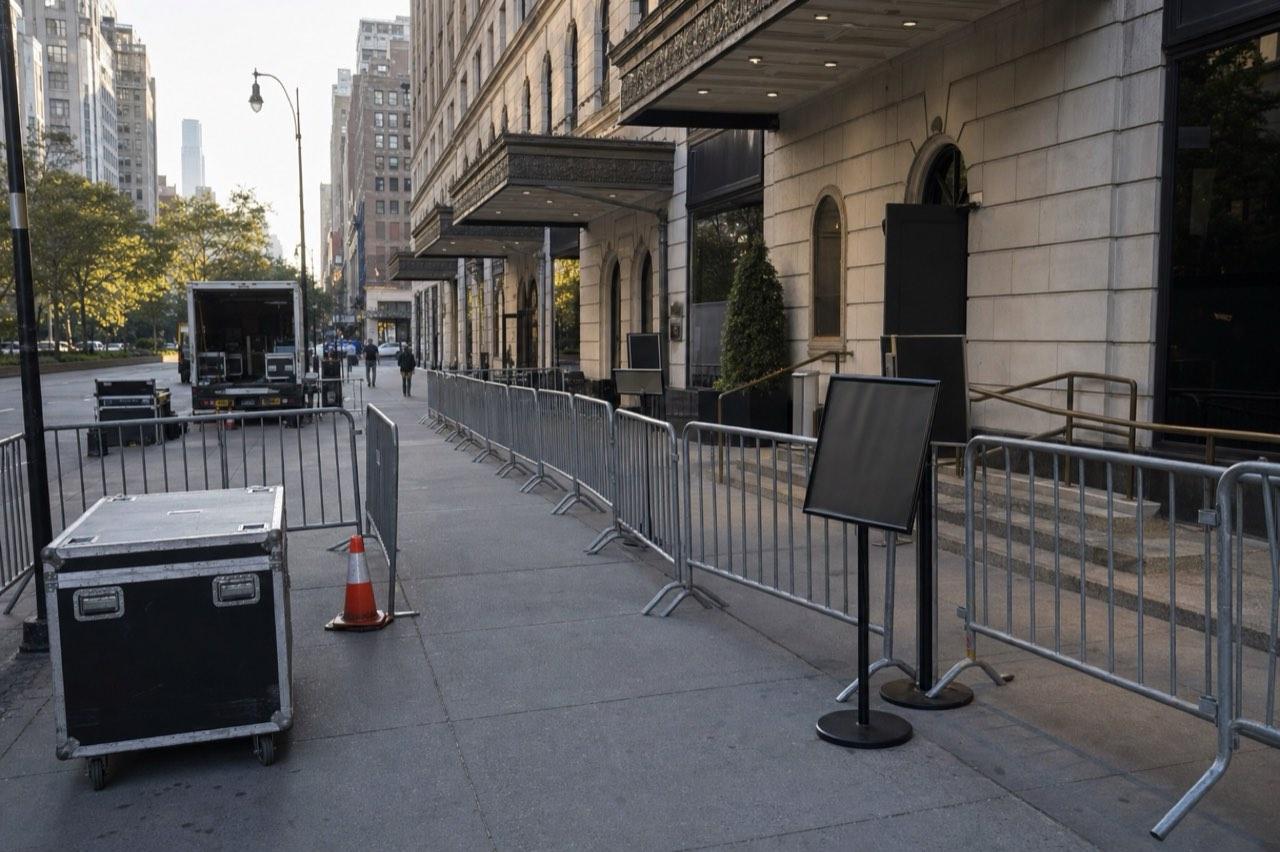
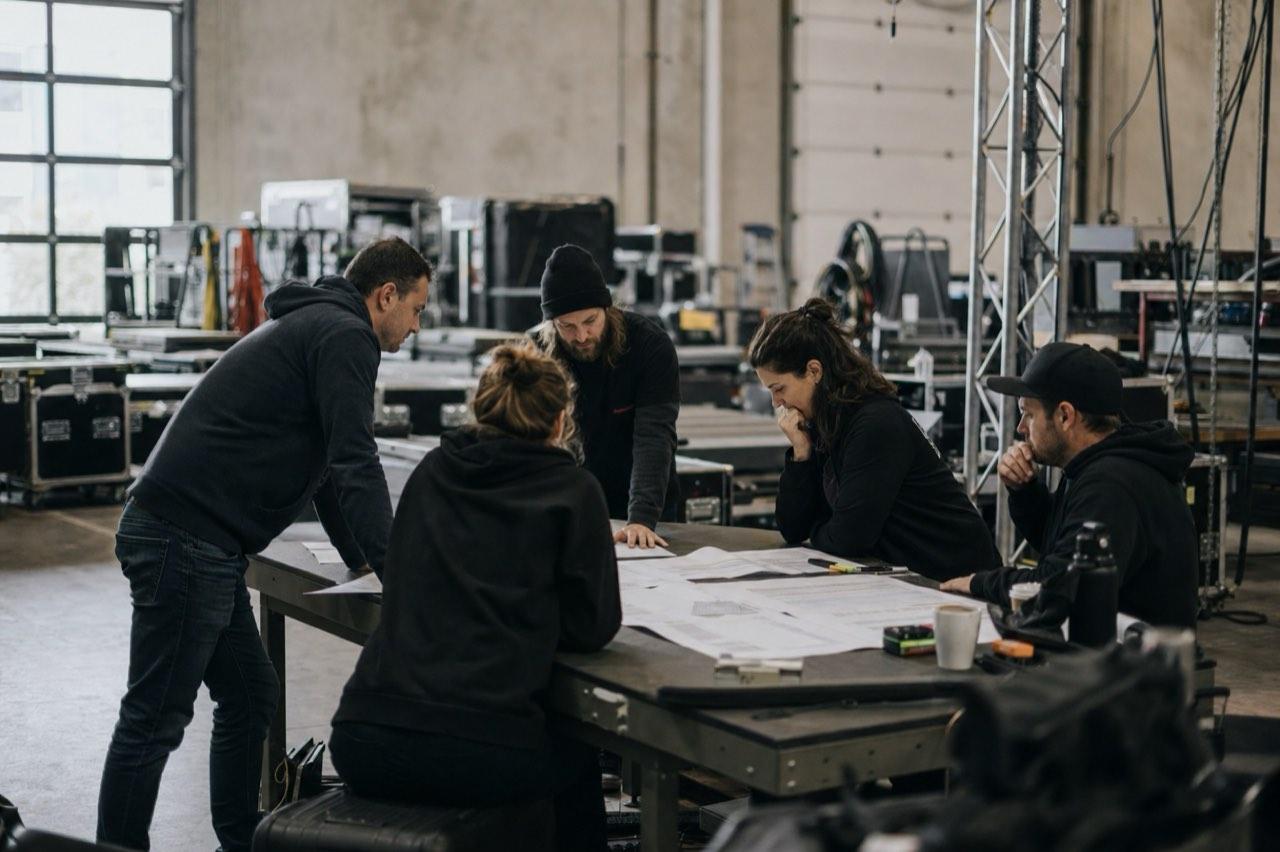
You don’t feel NYC permits when everything goes right. You feel them when the truck is idling, the curb lane isn’t yours, and a well-meaning security guard tells your A2 that you can’t bring cases through that door. The realistic version of permits is less about a single form and more about aligning venue rules, city agencies, building management, and your run of show early enough that load-in is boring.
start with one question: what are we actually doing
Before we talk about permits, we write down the operational truth in plain language. Is it an event inside a private venue with a standard load-in, or are we touching public space in any way. A single step outside the building can turn a simple ballroom show into a street-operations project.
We’ll usually ask a producer for a quick, concrete description:
- Where are trucks stopping and for how long
- Are we placing anything on the sidewalk or curb lane
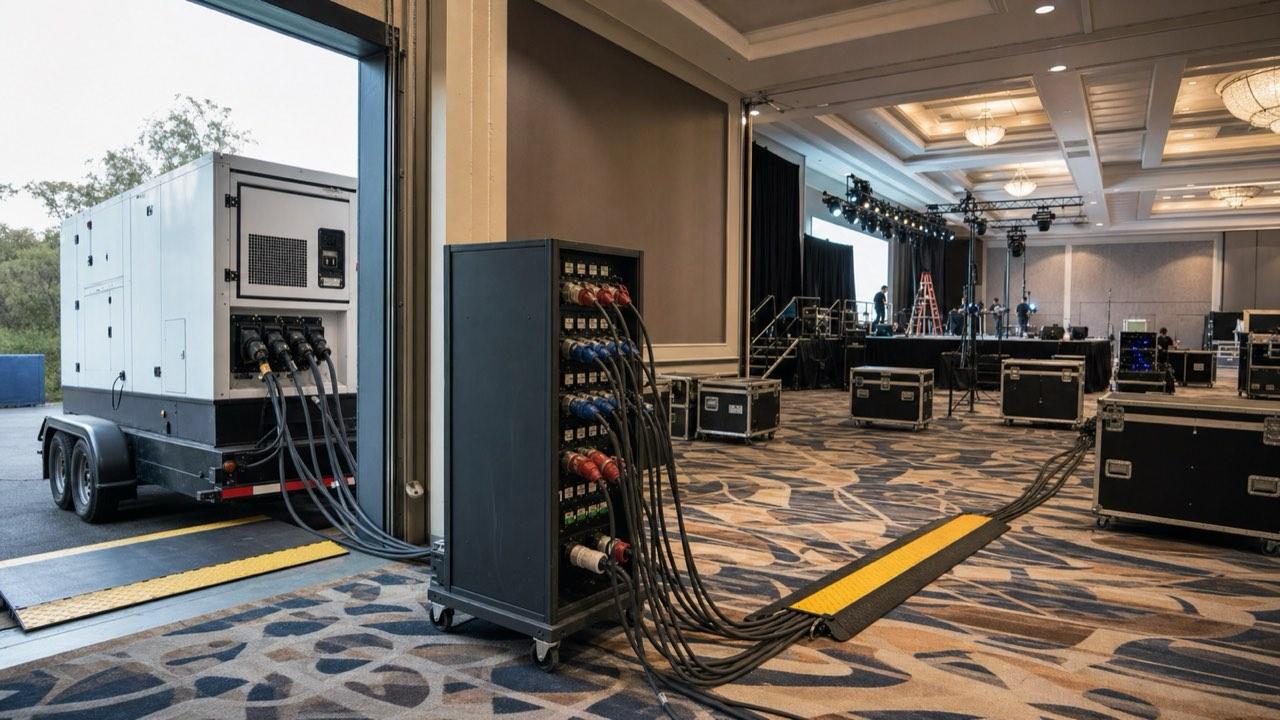
- Are we using exterior power, generators, or cable ramps
- Are there any exterior lines, queues, or check-in
- Are we using amplified sound that could be heard outside
That’s the difference between “a corporate meeting” and “a corporate meeting plus a temporary sidewalk build, a curb lane load-in, and an exterior queue.”
assume the calendar is tighter than it looks
NYC timelines are rarely forgiving because multiple approvals stack on top of each other. Even when a permit itself is quick, the upstream requirements can be slow: building sign-offs, landlord approvals, venue security plans, or insurance paperwork that needs review by two different parties.
In practice, we plan backwards from doors, then from rehearsal, then from load-in. If there’s any public-space component, we treat it like a separate workstream with its own milestones. When we’re brought in early, we’ll also sanity-check the schedule against the realities of Manhattan access, traffic, and freight elevator windows.
A useful mindset is: the city might approve the concept, but the building still controls the building. Both have to say yes.
the permit isn’t the plan: the permit supports the plan
A permit is a permission slip. It doesn’t tell you how to run the site. Your plan should cover:
- where barricades go and how pedestrian flow works
- how you keep ADA access clear
- how trucks arrive, stage, and clear
- how cases move from curb to dock to freight
- what happens if you lose the curb lane or the elevator window
If we can’t describe those items clearly, getting a permit doesn’t reduce risk. It just gives you a document that may or may not match reality on the sidewalk.
understand the boundary: private venue rules vs public space rules
Most NYC corporate events live inside private venues, hotels, or office buildings. In those cases, the “permit problem” often shows up as building compliance rather than a street permit.
Typical private-venue requirements include:
- Certificates of Insurance (COIs) with specific language
- union-related questions from the venue (we keep the conversation focused on what the building requires operationally, and we scope accordingly without getting into labels)
- fire safety constraints around drape, scenic, and aisle widths
- rigging rules and engineering approvals
- loading dock bookings and freight elevator scheduling
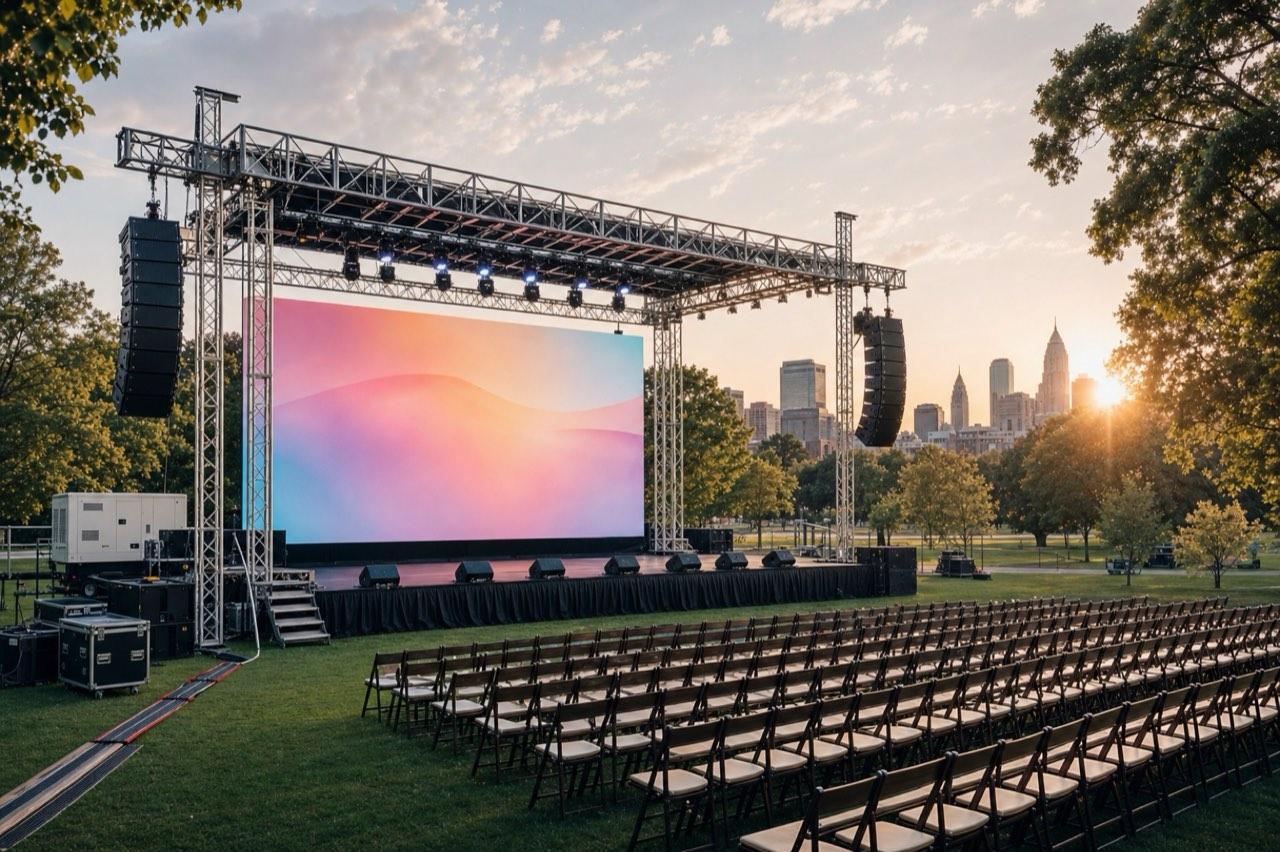
Public-space requirements show up when you use sidewalks, curb lanes, streets, plazas, or parks. The details vary by location and scope, but the overall workflow is consistent: define the footprint, define the schedule, define safety controls, then match the approval pathway.
COIs: the quiet gate that blocks load-in
If there’s one piece that routinely causes avoidable stress, it’s COIs. Not because they’re difficult, but because the requirements are specific and people treat them as generic.
We treat COIs as a deliverable with a checklist. The venue or building usually wants named insured language, additional insureds, address accuracy, and sometimes waiver of subrogation. If the COI is wrong, it can trigger last-minute calls, delayed dock access, or a hard stop at check-in for the crew.
Operationally, we’ll ask for the COI requirements as soon as we have a venue name and event date. If the venue uses a portal, we’ll confirm who submits and who approves.
We keep the promise simple: we show up with compliant paperwork so the crew’s first hour isn’t spent arguing at security.
FDNY and fire safety: treat it like a design constraint
Even when you’re not doing anything that feels “hazardous,” NYC fire safety can affect production choices. The most common touchpoints for corporate events are:
- decorative materials, scenic, and drape
- haze and atmospheric effects
- blocked exits or reduced aisle widths
- equipment placement that affects egress paths
We plan these items early because they’re hard to fix on site. If you decide on a heavy scenic build, then learn late that it compromises egress, you’re not making a small adjustment. You’re redesigning.
For haze specifically, we assume it will be questioned. If we’re using haze, we plan the conversation with the venue and we bring a conservative approach: minimal output, controlled cues, and a clear reason for why it improves the show. We also plan for the possibility that haze is simply not allowed.
street use and curb lane reality: don’t guess
If trucks need curb access, we don’t treat “we’ll figure it out” as a plan. We map the block and confirm where a truck can legally stop, whether there are restrictions, and whether a loading dock exists.
For multi-truck shows, we’ll also plan staging so you’re not trying to unload two vehicles at once onto a narrow sidewalk. In Manhattan, the sidewalk is a shared resource. Pedestrians, building access, and ADA routes are non-negotiable.
We often build a simple load-in map for the crew: where to park, where to check in, which door, which elevator, and where to stage cases inside so you’re not blocking a lobby.
building management and security: align the humans, not just the paperwork
A permit or venue email approval doesn’t help if the on-site team hasn’t been briefed. One of the most practical moves is making sure security, loading dock, and engineering all share the same assumptions:
- exact load-in start time
- number of crew arriving and how they check in
- truck count and sequence
- any after-hours access needs
- any special equipment that triggers questions (chain motors, truss, large LED panels)
We’ll often send a short operations note the day before that’s written for the people on site, not just for the client. If everyone is aligned, the day starts smoother.
sound and neighborhood considerations: your exterior footprint matters
Even if your show is indoors, the neighborhood can matter. Exterior speaker tests, door-open rehearsals, or line-management with a DJ can put you on someone’s radar quickly.
We like to keep exterior audio exposure minimal. If you need music outside for check-in or arrivals, we plan the level, the directionality, and the duration. If we can keep it inside, we do. The goal is to avoid a call that forces you to pivot mid-load-in.
plan for the most common failure modes
A realistic NYC permit plan includes contingency for the things that actually happen. The big ones:
- the curb lane isn’t available when you arrive
- the freight elevator window shifts
- a different security guard is on duty and interprets rules differently
- the loading dock is occupied by another event
- rain changes exterior queue and ramp plans
We’ll build simple fallbacks: alternate staging, alternate doors, extra labor time in the schedule, and an interior-only plan if exterior elements get constrained.
a short checklist we use before we commit to load-in
This is the point where we force clarity. Before we lock crew call times and truck dispatch, we want these items confirmed:
- load-in door and path are confirmed in writing
- freight elevator access and hours are booked
- truck route, stop point, and duration are understood
- COI requirements are received and submission owner is clear
- any special restrictions (rigging, haze, pyrotechnics, open flame, exterior audio) are answered
It’s a short list on purpose. If any one of these is unknown, you’re relying on luck.
what we need from you to make this easy
If you want us to help you keep NYC permits and compliance from eating the schedule, a few inputs early make a big difference:
- venue name and address
- event date and door time
- a rough run of show and rehearsal needs
- a simple statement of any exterior elements (queue, signage, barricades, generators)
With that, we can scope the site plan, align with venue operations, and flag where approvals tend to take longer than expected.
the realistic takeaway
NYC permits are rarely a single bottleneck. The real risk is misalignment between what the show needs and what the venue and street environment will allow on that day. When we plan it as operations, not paperwork, the permit becomes a supporting document instead of a last-minute rescue.
If you want EventProSource to spec the site plan and production approach for your NYC event, we can build a plan that covers the load-in path, backup options, and the day-of sequence. Email hello@eventprosource.com for a 24-hour quote and a practical recommendation based on your run of show.